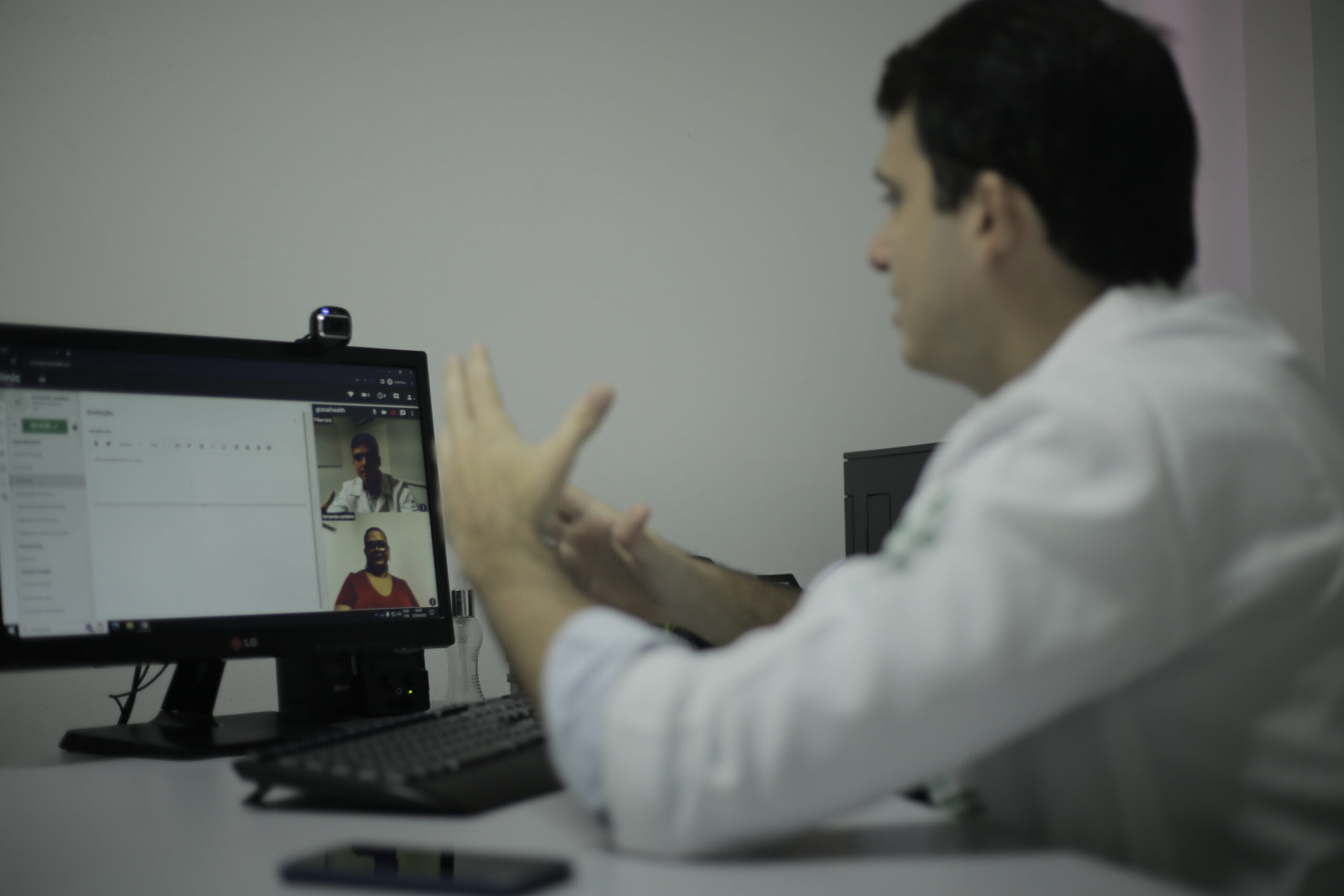
Teleconsultation in Specialized Outpatient Care
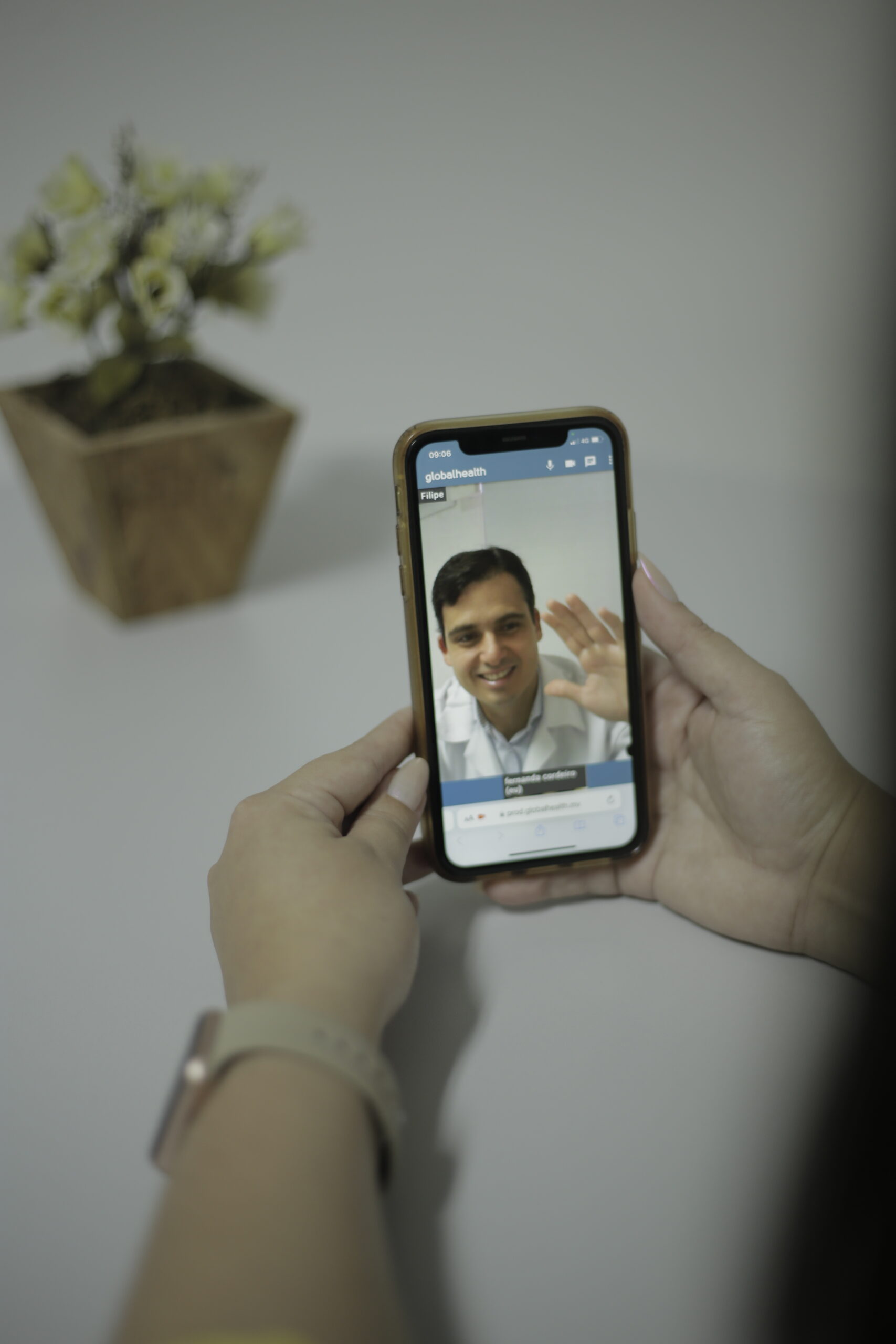
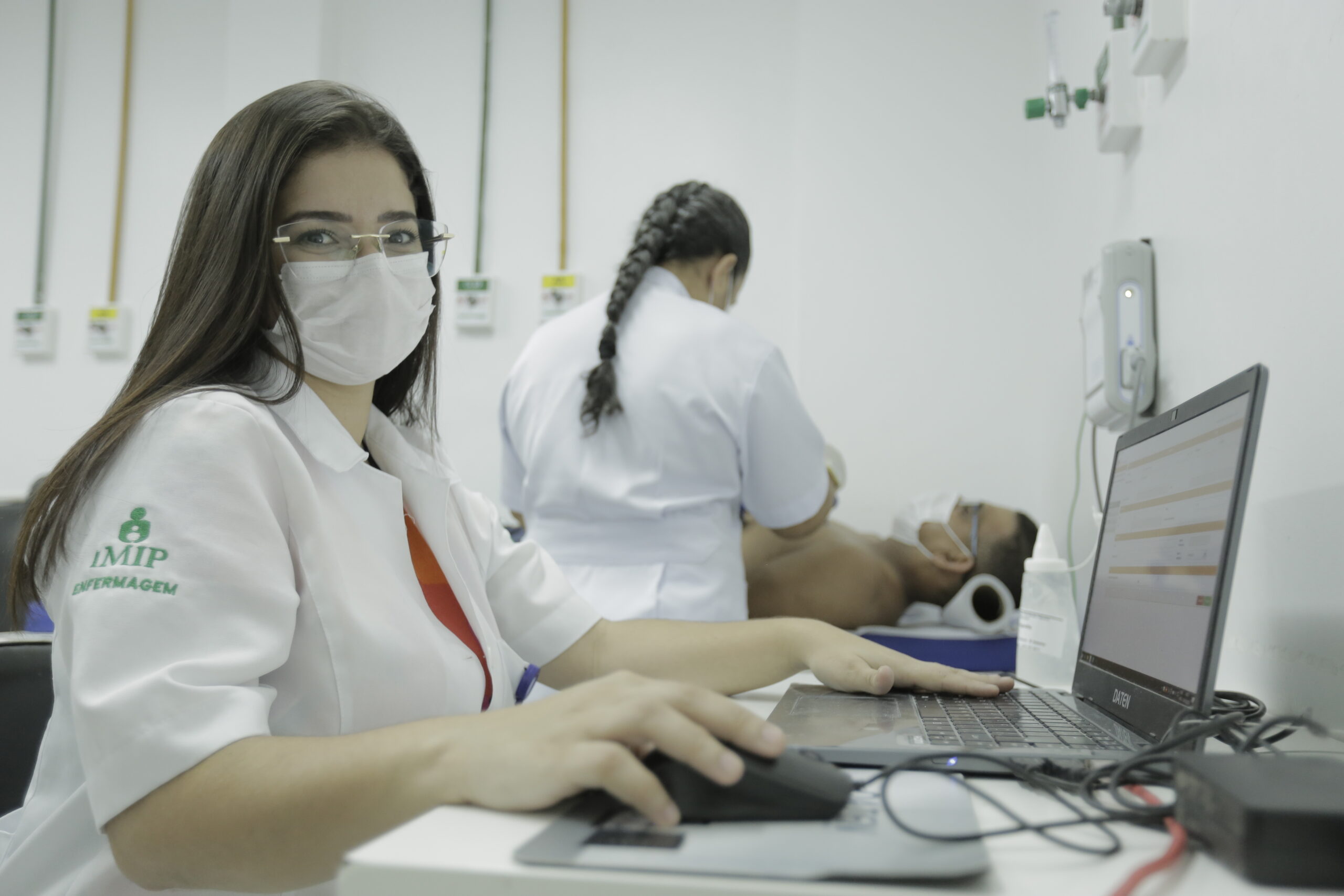
Teleconsultation is the care of patients through information and communication technologies. This new care modality was implemented at IMIP on an emergency basis at the beginning of the pandemic in 2020, with the aim of reducing patient and caregiver visits to the hospital, avoiding gatherings of vulnerable individuals, while still ensuring follow-up care for these patients.
In 2022, as in-person access restrictions became less frequent worldwide, efforts were made to understand the role of remote care within healthcare pathways for patients with mobility limitations or difficulties, or seeking to reduce travel time and environmental emissions. More than 20,000 teleconsultations were carried out, bringing the total to over 90,000 since implementation. Services were provided across 13 medical specialties, as well as nursing, speech therapy, occupational therapy, and social work.